Your Suing seller for non disclosure images are ready. Suing seller for non disclosure are a topic that is being searched for and liked by netizens today. You can Get the Suing seller for non disclosure files here. Get all free photos.
If you’re searching for suing seller for non disclosure images information linked to the suing seller for non disclosure keyword, you have visit the right site. Our site frequently gives you suggestions for refferencing the maximum quality video and image content, please kindly hunt and find more enlightening video content and images that fit your interests.
Suing Seller For Non Disclosure. A seller is supposed to be truthful when answering the disclosure statement for the buyer. A defect on the list of potential defects is not disclosed. 1 physical defects in the features fixtures or appliances of the residence. The general rule is that once you have closed title on a real property you cannot sue the seller unless there was active concealment of the defect or fraud or unless the contract of sale gives you a specific right to sue.
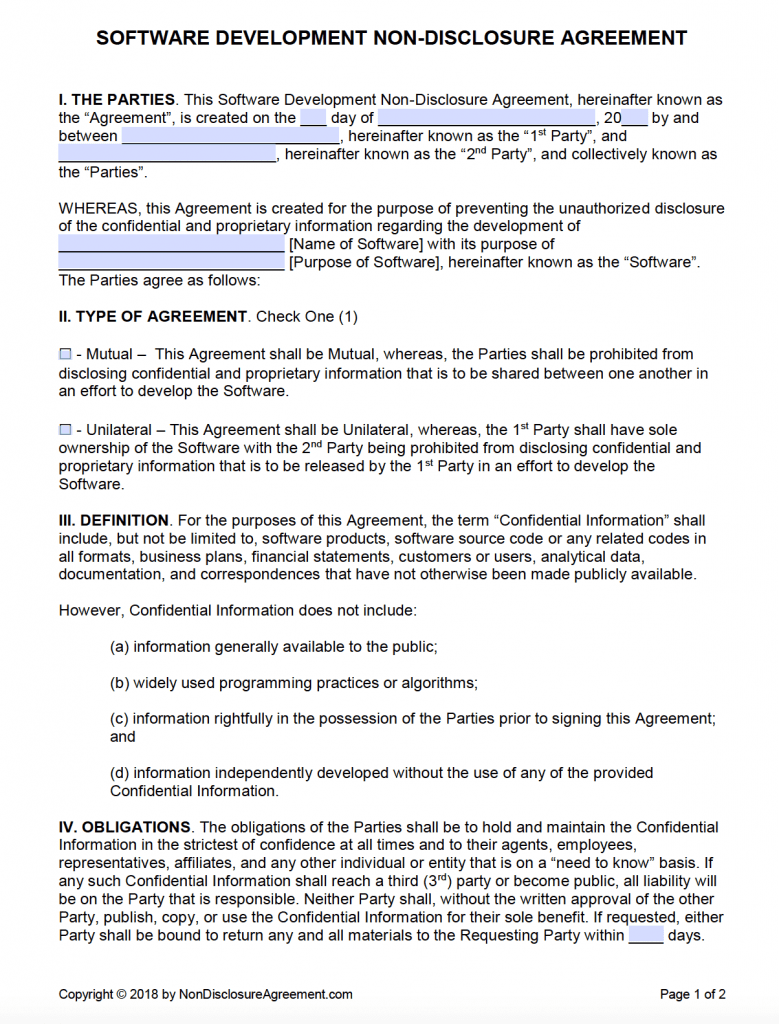 Free Software Development Non Disclosure Agreement Nda Pdf Word Docx From nondisclosureagreement.com
Also its called due diligence and personal responsibility. If you are selling it very important to understand not only your disclosure obligations but also the potential adverse legal ramifications for failing to make a required disclosure. If there are defects identified in the answer to any question the seller must explain the answer and attach relevant documents. And 2 structural or site hazards environmental hazards or noncompliance with building. If you chose not to get the house inspected and then ask for repairs or walk away as is your right then the fact that its not fixed is on you- you had that. Buying a house with undisclosed problems can be frustrating to say the very least.
Under California law Sellers of residential property are required to make certain disclosures to Buyers.
New Jersey sellers can be held liable for failing to disclose a material defect. If you believe that the seller knew of the defect and failed to disclose it or actively lied about the defect you may have a claim. The buyer can prove the seller knew or. There could be situations where not even the seller knew about the defect. The amount you sue for can include damages. The general rule is that once you have closed title on a real property you cannot sue the seller unless there was active concealment of the defect or fraud or unless the contract of sale gives you a specific right to sue.
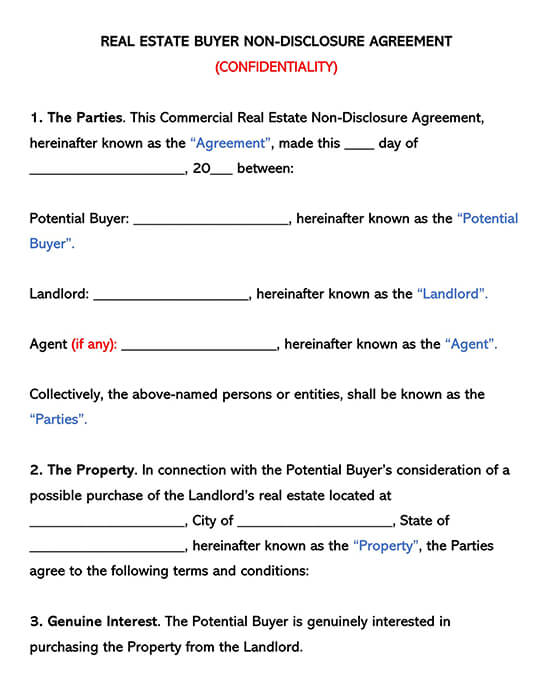 Source: wordtemplatesonline.net
But under some seller disclosure laws if the buyer closes on the deal without a disclosure form the buyer later cant complain about not having received the form. A defect on the list of potential defects is not disclosed. Under California law Sellers of residential property are required to make certain disclosures to Buyers. In most cases the seller disclosure laws require a claim to be brought against a seller within a year or so after the deal closes. Seller disclosure laws exist at both federal and state levels which is why its important to understand your specific obligations before completing a generic real estate disclosure.
 Source: pinterest.com
How Our Lawyer Can Help When Youre Suing a Seller for Non-Disclosure. The buyer can prove the seller knew or. Can I Sue the Seller for Not Disclosing A Real Estate Problem. Most contracts of sale do not give you this right but of course I have not reviewed yours. The seller is not required by statute to give you an extensive disclosure report outlining every known defect in the home.
Source: nondisclosureagreement.com
New Jersey sellers can be held liable for failing to disclose a material defect. You generally have seven days after you receive the notice to rescind the sale if you never received a disclosure notice or if the seller disclosed defects too late. How Our Lawyer Can Help When Youre Suing a Seller for Non-Disclosure. The seller is not required by statute to give you an extensive disclosure report outlining every known defect in the home. The real estate buyer non-disclosure agreement is used when the seller of real estate discloses information about a property to potential buyers.
 Source: pinterest.com
A defect on the list of potential defects is not disclosed. If you do end up suing the seller you could seek monetary damages for the sellers failure to disclose information or misrepresentation of the property. The general rule is that once you have closed title on a real property you cannot sue the seller unless there was active concealment of the defect or fraud or unless the contract of sale gives you a specific right to sue. The amount you sue for can include damages. How Our Lawyer Can Help When Youre Suing a Seller for Non-Disclosure.
 Source: pinterest.com
Liability of the Seller. Under California law Sellers of residential property are required to make certain disclosures to Buyers. The seller may be found liable for the cost of the defect if. The agent is only required not to lie to you and to tell you about any serious defects that he or she actually knows ofeven though the agent has no obligation to conduct any sort of inspection to discover such defects. A defect on the list of potential defects is not disclosed.
 Source: pinterest.com
But what if a seller does not disclose a defect. And 2 structural or site hazards environmental hazards or noncompliance with building. If you believe that the seller knew of the defect and failed to disclose it or actively lied about the defect you may have a claim. The buyer is entitled to rely on that disclosure statement in buying a home. In your case you believe that the seller did not disclose a material defect and purposely concealed it from you and your home inspector.
 Source: opendocs.com
The seller is not required by statute to give you an extensive disclosure report outlining every known defect in the home. Also its called due diligence and personal responsibility. And if a seller lies the. In your case you believe that the seller did not disclose a material defect and purposely concealed it from you and your home inspector. In most cases the seller disclosure laws require a claim to be brought against a seller within a year or so after the deal closes.
 Source: pinterest.com
There are surprisingly few federal regulations related to real estate disclosure. If you chose not to get the house inspected and then ask for repairs or walk away as is your right then the fact that its not fixed is on you- you had that. Also its called due diligence and personal responsibility. Under California law Sellers of residential property are required to make certain disclosures to Buyers. There are surprisingly few federal regulations related to real estate disclosure.
 Source: pinterest.com
These disclosures generally fall into one of two categories. Also its called due diligence and personal responsibility. There are specific detailed questions that must be answered in each category. The short answer is yes a buyer may have a cause of action for. The buyer can prove the seller knew or.
 Source: pinterest.com
The seller might not be the liable party. Seller disclosure laws exist at both federal and state levels which is why its important to understand your specific obligations before completing a generic real estate disclosure. The seller is not required by statute to give you an extensive disclosure report outlining every known defect in the home. Both the seller and listing broker have obligations concerning the use of this form and the buyer and buyers broker need to have an understanding of what this form represents by way of disclosures. You might have a case against a home inspector for failing to notice the defect or against the sellers realtor for failing to disclose.
 Source: pinterest.com
If for example an underground septic tank or sewage line was leaking and the seller knew nothing about it and therefore did not disclose it to you you cannot sue. And 2 structural or site hazards environmental hazards or noncompliance with building. If you are selling it very important to understand not only your disclosure obligations but also the potential adverse legal ramifications for failing to make a required disclosure. If you are correct and can prove that the seller purposely concealed the problem you might be able to sue the seller and get the seller. If you chose not to get the house inspected and then ask for repairs or walk away as is your right then the fact that its not fixed is on you- you had that.
 Source: pinterest.com
A defect on the list of potential defects is not disclosed. In most cases the seller disclosure laws require a claim to be brought against a seller within a year or so after the deal closes. The buyer can prove the seller knew or. The general rule is that once you have closed title on a real property you cannot sue the seller unless there was active concealment of the defect or fraud or unless the contract of sale gives you a specific right to sue. New Jersey sellers can be held liable for failing to disclose a material defect.
 Source: pinterest.com
If you are correct and can prove that the seller purposely concealed the problem you might be able to sue the seller and get the seller. The agent is only required not to lie to you and to tell you about any serious defects that he or she actually knows ofeven though the agent has no obligation to conduct any sort of inspection to discover such defects. Most contracts of sale do not give you this right but of course I have not reviewed yours. Bill Gulley is right- If seller disclosed the problem and said it was fixed- How do you know they didnt truly believe it was fixed. Also its called due diligence and personal responsibility.
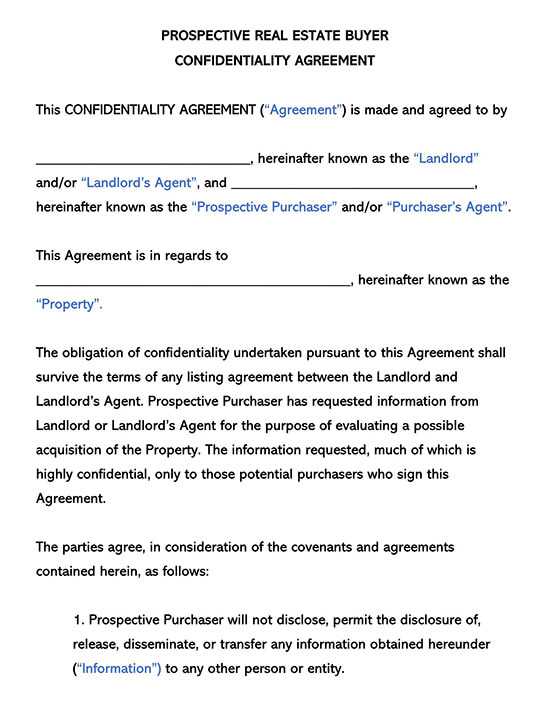 Source: wordtemplatesonline.net
New Jersey sellers can be held liable for failing to disclose a material defect. In Illinois for example sellers are required to disclose defects from a set list established by law and explain each one. The information may have to do with property revenue taxes marketing plans planned capital improvements the identity or financial status of investors or partners or other confidential information that provides the seller with an advantage over. The buyer can prove the seller knew or. Buying a house with undisclosed problems can be frustrating to say the very least.
 Source: pinterest.com
The seller might not be the liable party. But what if a seller does not disclose a defect. The information may have to do with property revenue taxes marketing plans planned capital improvements the identity or financial status of investors or partners or other confidential information that provides the seller with an advantage over. There are surprisingly few federal regulations related to real estate disclosure. If you are selling it very important to understand not only your disclosure obligations but also the potential adverse legal ramifications for failing to make a required disclosure.
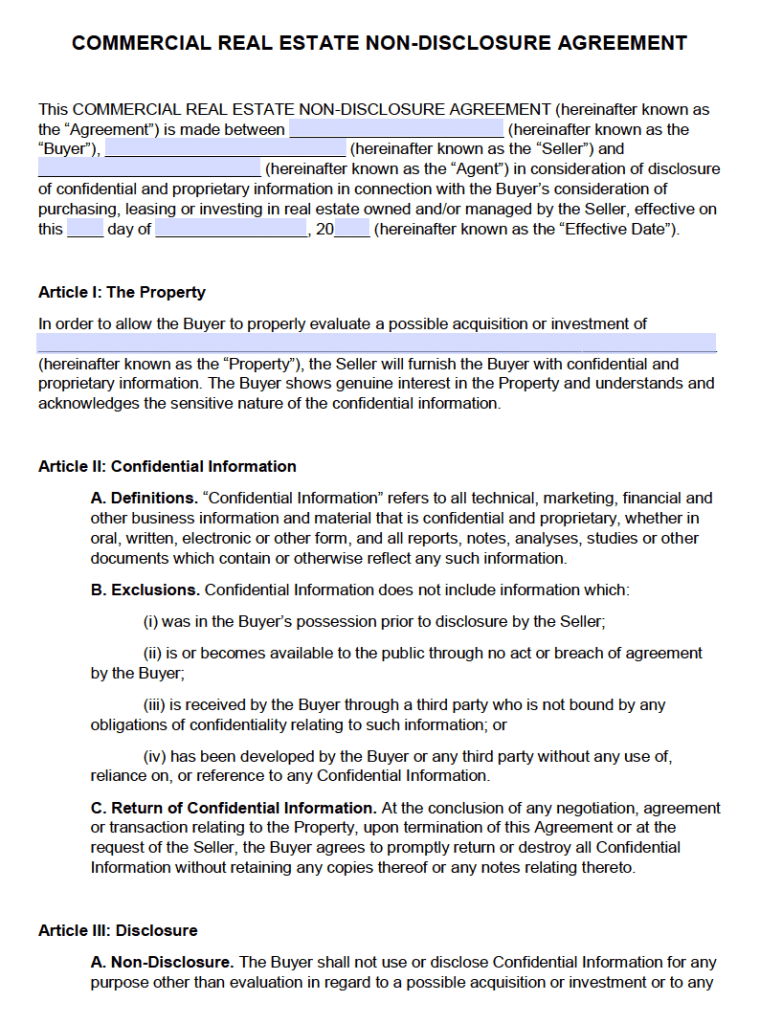 Source: nondisclosureagreement.com
If you are correct and can prove that the seller purposely concealed the problem you might be able to sue the seller and get the seller. The amount you sue for can include damages. How Our Lawyer Can Help When Youre Suing a Seller for Non-Disclosure. If you do end up suing the seller you could seek monetary damages for the sellers failure to disclose information or misrepresentation of the property. The Sellers Property Disclosure is an important disclosure form for the real estate broker to discuss with their respective client.
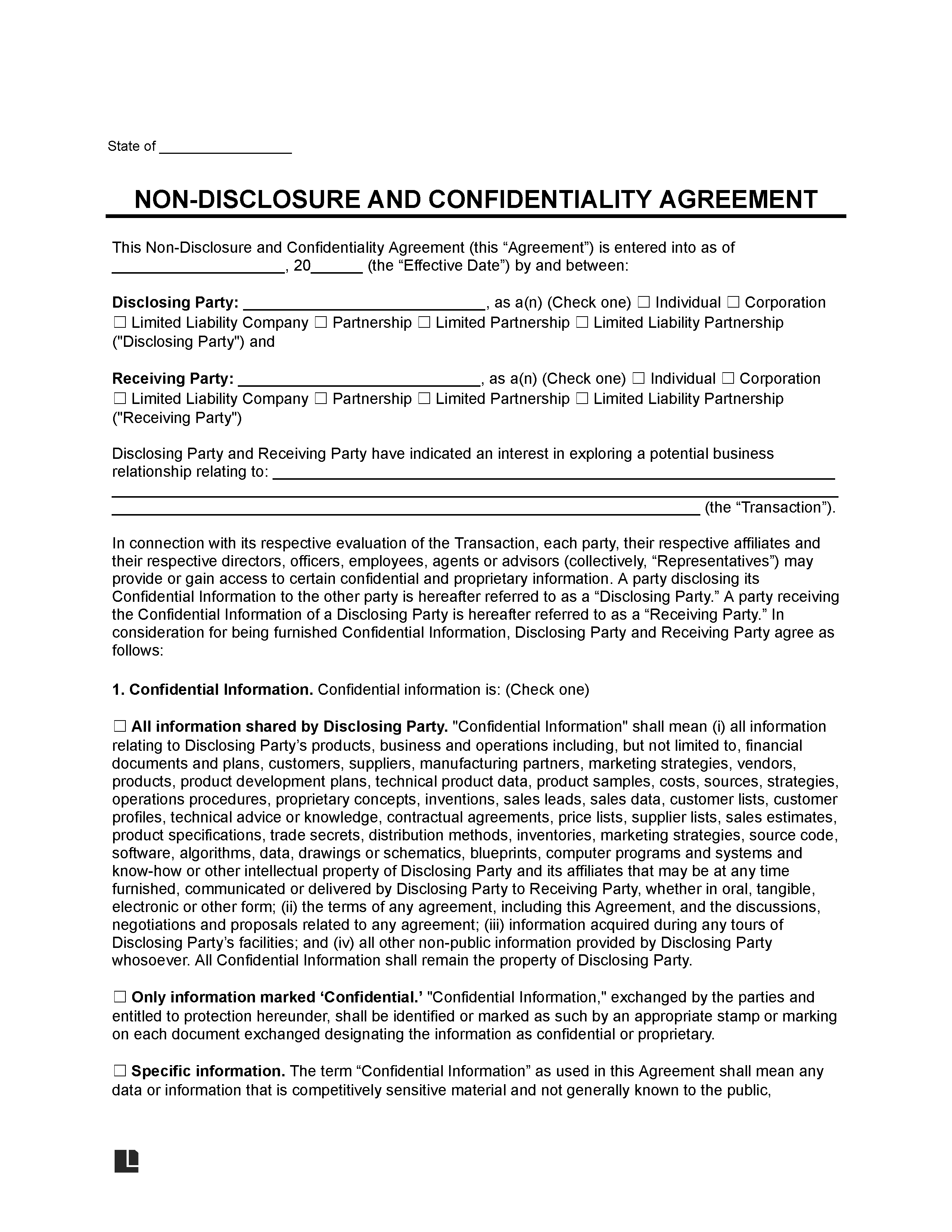 Source: legaltemplates.net
And 2 structural or site hazards environmental hazards or noncompliance with building. Seller disclosure laws exist at both federal and state levels which is why its important to understand your specific obligations before completing a generic real estate disclosure. The real estate buyer non-disclosure agreement is used when the seller of real estate discloses information about a property to potential buyers. If for example an underground septic tank or sewage line was leaking and the seller knew nothing about it and therefore did not disclose it to you you cannot sue. Our experienced real estate dispute lawyer at the office of Khirallah PLLC can help you to gather the.
 Source: pinterest.com
Liability of the Seller. The agent is only required not to lie to you and to tell you about any serious defects that he or she actually knows ofeven though the agent has no obligation to conduct any sort of inspection to discover such defects. If you are selling it very important to understand not only your disclosure obligations but also the potential adverse legal ramifications for failing to make a required disclosure. You might have a case against a home inspector for failing to notice the defect or against the sellers realtor for failing to disclose. Unknown Defects Couldnt Possibly Be Disclosed By Home Seller.
This site is an open community for users to do submittion their favorite wallpapers on the internet, all images or pictures in this website are for personal wallpaper use only, it is stricly prohibited to use this wallpaper for commercial purposes, if you are the author and find this image is shared without your permission, please kindly raise a DMCA report to Us.
If you find this site adventageous, please support us by sharing this posts to your own social media accounts like Facebook, Instagram and so on or you can also save this blog page with the title suing seller for non disclosure by using Ctrl + D for devices a laptop with a Windows operating system or Command + D for laptops with an Apple operating system. If you use a smartphone, you can also use the drawer menu of the browser you are using. Whether it’s a Windows, Mac, iOS or Android operating system, you will still be able to bookmark this website.


